05/01/2026
Designs that dialogue with the city
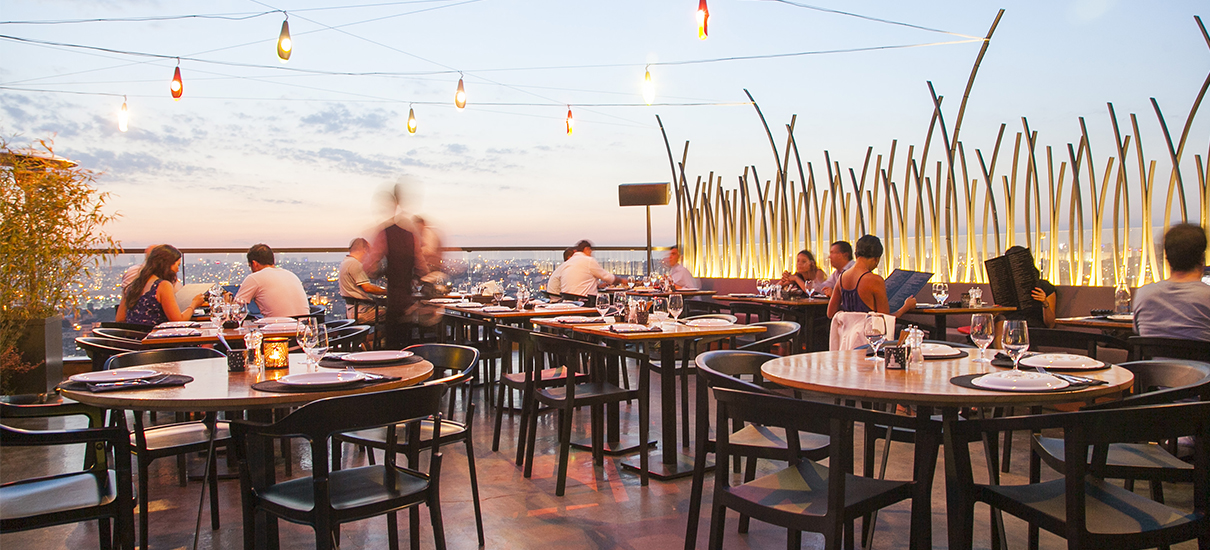
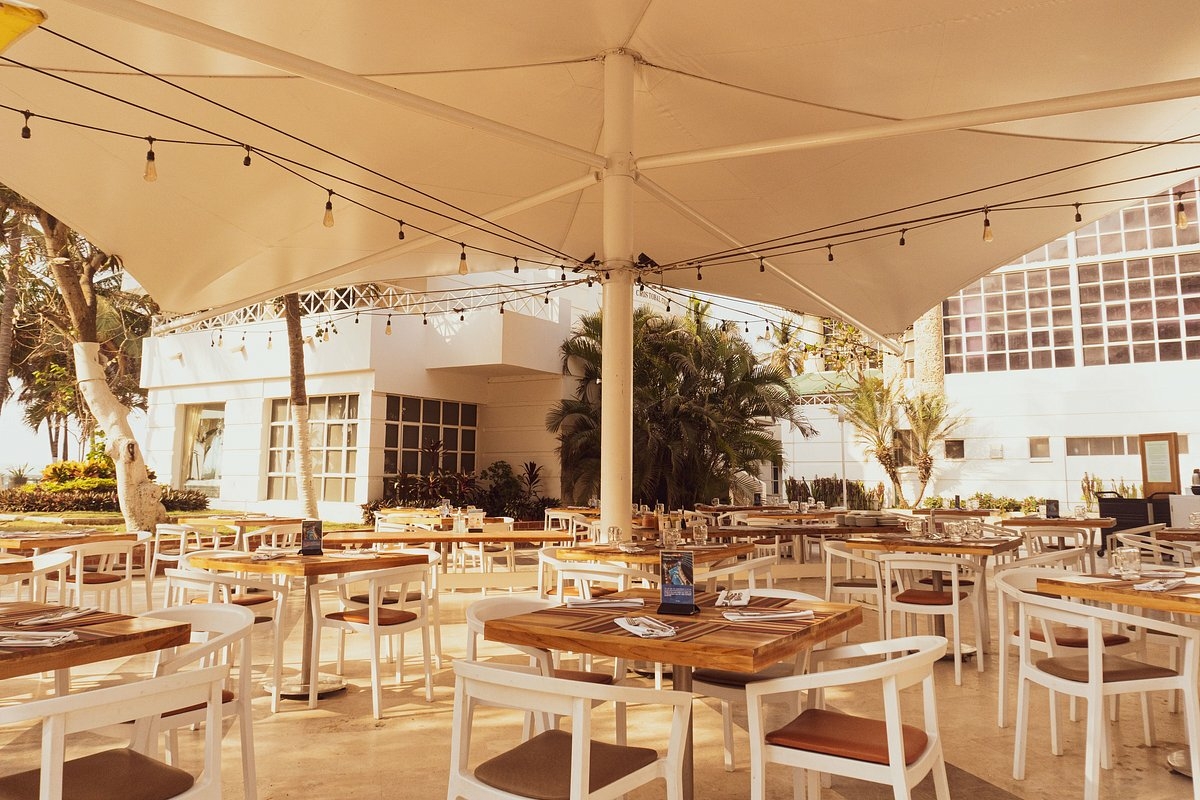
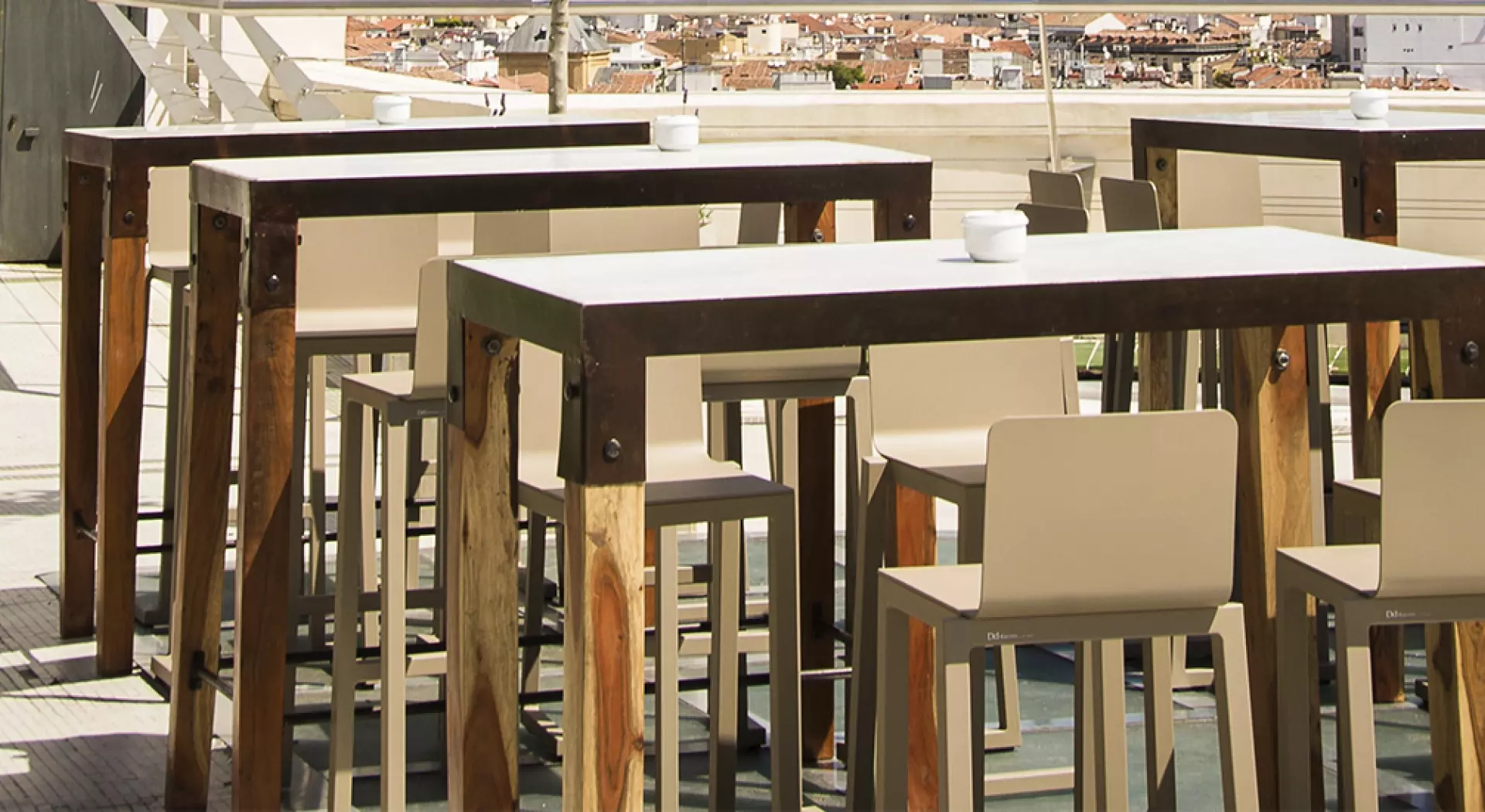
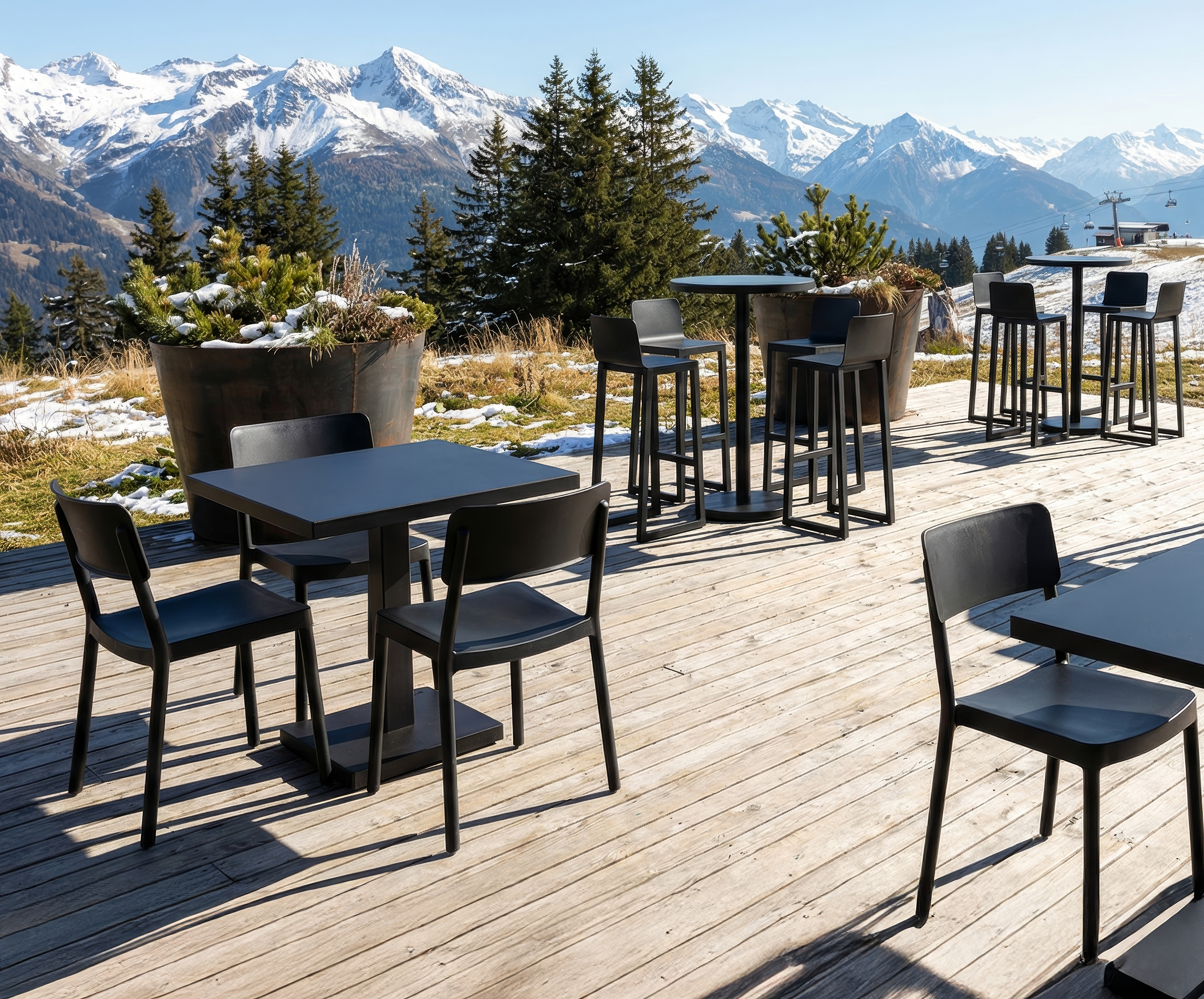
The city is also inhabited in pauses. At a table in the sun, for example, on a terrace that becomes a friendly frontier between the public and the private. For decades, cafés and bars have been a natural extension of the urban space and, in this scenario, the furniture ceases to be a mere functional support and becomes an active part of the city's landscape.
Terrace furniture as everyday architecture
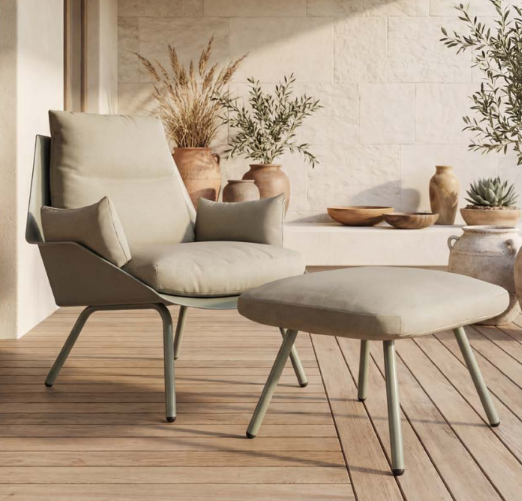
Terrace furniture has the responsibility of coexisting with the architecture, resisting the constant passage of passers-by, adapting to the climate and intensive use without renouncing design. It is in this balance between aesthetics, functionality and durability that Resol's designs find their natural place, because they are also pieces designed to dialogue with the city.
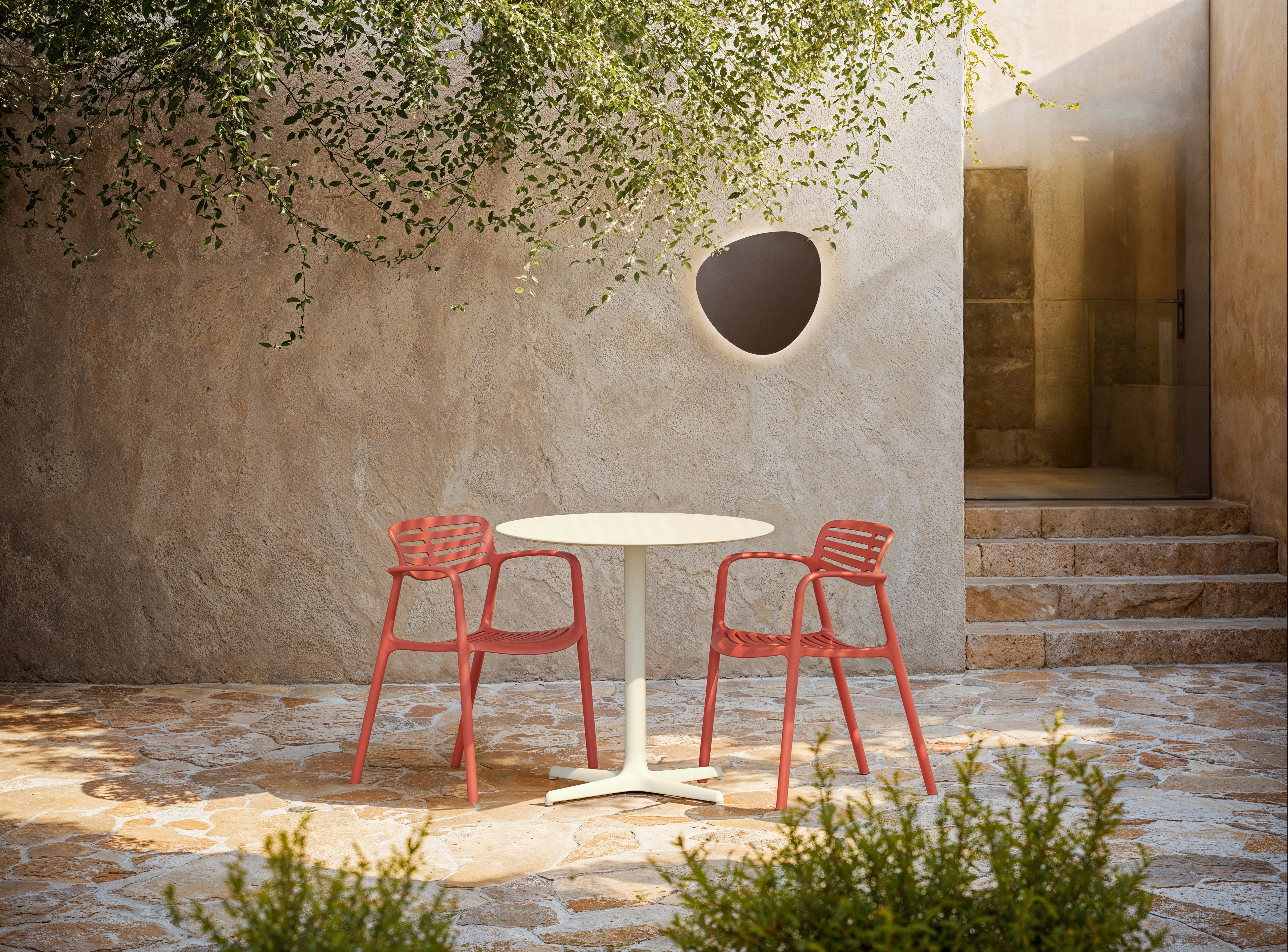
A paradigmatic example is Toledo Aire, designed by Jorge Pensi. Present on the terraces of bars and cafés in many cities, its silhouette is already part of the collective imagination of national design. Light, recognisable and contemporary, we could say that Toledo Aire functions almost as an urban gesture, accompanying the architecture that surrounds it. The city, however, demands different solutions. Joan Gaspar's proposals for Resol respond to this need for flexibility.
for example, the Gina chair, comfortable and stackable, is designed for day-to-day use in cafés and bars where the furniture is frequently moved, rearranged and stored. Its design facilitates maintenance and space management. Something similar occurs with the Como chair, which reinterprets the memory of the classic metallic bistro chairs using a contemporary material: polypropylene with fibreglass. The result is a resistant, lightweight and easy-to-maintain piece, ideal for urban terraces where the furniture must withstand changes in temperature, constant cleaning and continuous use. A chair that refers to the European imaginary of coffee and conversation, but adapted to today's requirements.
Building a city from the pause
These are just some of the designs in the Resol catalogue that can be incorporated into the terraces of restaurants, bars and street-side cafés. When it comes to equipping these spaces, many interior designers seek to create small, welcoming squares that invite passers-by to stop, sit down, have a drink and become part, even if only for a moment, of the urban pulse.
In this constant dialogue between urban planning, architecture and everyday life, terrace furniture becomes a silent but decisive tool for building a city: a city that is more habitable, closer and also designed to be enjoyed.